
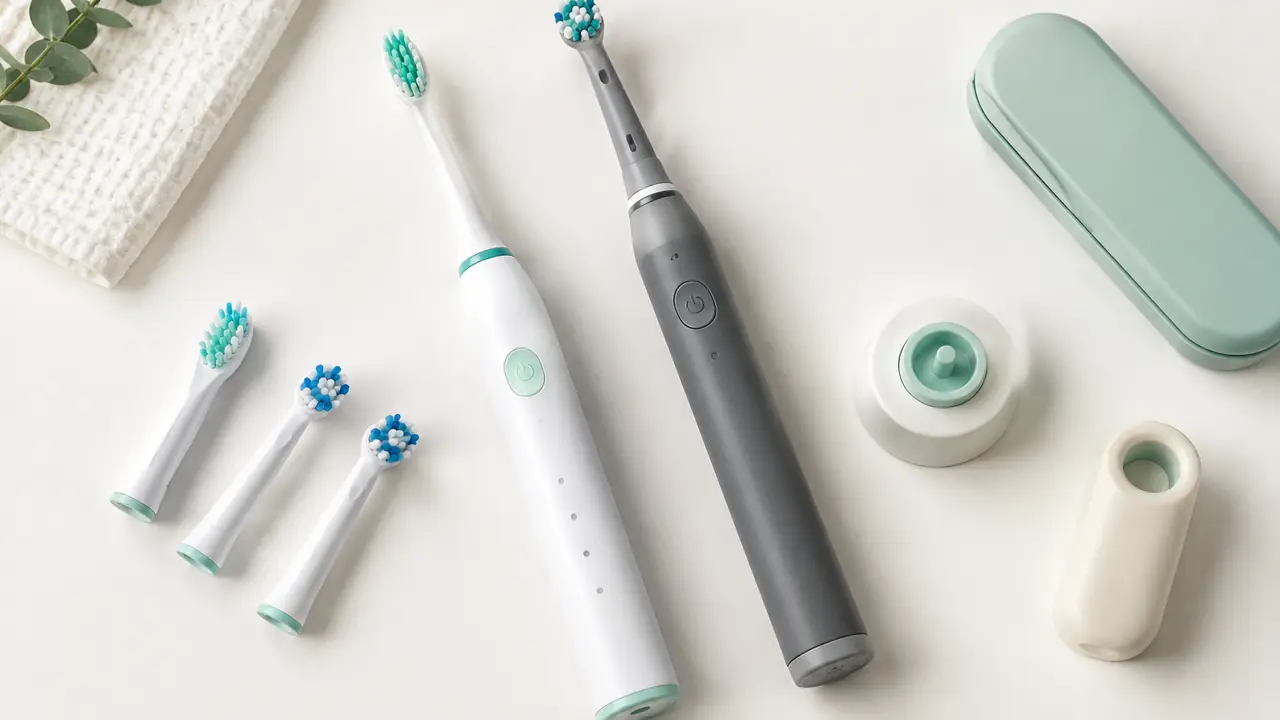
Two routes to the same shelf
A catalog-mold program puts a buyer's brand on a plant's existing model: the tooling exists, the platform is proven, and the work is selection, customisation at the edges and paperwork. A private-mold program cuts new tooling for the buyer's design: the shell geometry, the head collar, sometimes the dock, all owned by the program and matched to nobody else's listing. The first route buys speed and low entry risk; the second buys differentiation and a head platform that can become a brand asset. Neither is the grown-up choice - mature importers run both, catalog models to test shelves and private molds where the data justifies them. What separates a good decision from an expensive one is knowing which questions each route must answer before tooling, samples or purchase orders move.
Side by side
| Dimension | Catalog mold | Private mold |
|---|---|---|
| Tooling | Plant's existing molds, already amortised | New molds cut for the buyer's design |
| MOQ reference | 500-1,000 pieces per model | 1,000-3,000 pieces plus tooling fee |
| Sample lead | 7-15 working days | 15-25 days private label; 45-90 days for full ODM work |
| Batch lead | 30-45 days | 35-50 days; first ODM order 60-120 days including certification |
| Customisation depth | Colours, finish, buttons, mode set, packaging, bristle spec | Shell geometry, collar, dock, electronics layout, own platform |
| Head platform | Locked to the plant's existing collar | Collar cut to the program - heads become a brand asset |
| Risk profile | Low entry risk; the same mold may serve other listings | Tooling money at risk; differentiation in return |
| Strongest fit | First lines, shelf tests, marketplace multi-SKU | Established brands, subscription lines, flagship tiers |
Where the catalog mold wins
The catalog route is the correct first move for most programs. Entry is fast - samples in 7-15 working days, batches in 30-45 days - and the minimum of 500-1,000 pieces keeps the first order an experiment rather than a commitment. The platform's bugs are already found: a mold that has shipped for seasons arrives with its collar fit, drop behaviour and assembly rhythm proven, which trims the inspection script and shortens the negotiation. For marketplace sellers running many small SKUs, for distributors testing a price ladder, and for a brand that wants shelf data before spending on tooling, the catalog model converts cash into information faster than any alternative. The honest limit is differentiation: the same shell may sit under another label somewhere, so the catalog route competes on brand, packaging and channel rather than on the object itself.
Where the private mold wins
The private route pays where the product itself must carry the brand. A mold cut to the program gives a silhouette competitors cannot list against, a head collar that locks replenishment to the brand, and room to place features - dock geometry, finish work, internal layout - where they show. The costs are concrete: minimums of 1,000-3,000 pieces plus the tooling fee, samples on the 15-25 day private-label rhythm or 45-90 days for full ODM work, and a first order that runs 60-120 days when certification is included. Against that sits the asset question: tooling ownership should be written into the contract - who holds the molds, who can move them, what happens at program end - because a mold without clear ownership is the program's whole differentiation sitting in someone else's building. The payback logic for that decision is worked through in private mold investment.
The risks that actually bite
Each route has a characteristic failure. On catalog molds, it is the copied listing: a buyer who skipped the audit discovers the same shell offered to every enquiry, margins compress, and the line dies of sameness - the defence is plant vetting, exclusivity conversations where offered, and channel work the mold cannot erode. On private molds, it is the tooling surprise: drawings approved too casually, a first article that misses the brief, or certification revealing a late change - the defence is a written specification, first-article inspection before the mold is finalised, and a change process with costs named in advance. The desk runs both defences as standard: plants audited before shortlisting, every agreed figure confirmed in writing per program, and tooling ownership documented before the first payment. The route structure and its paperwork are laid out in OEM and MOQ explained and the tooling-ownership split in OEM vs ODM.
One row deserves a second look: the head platform. On a catalog model the collar belongs to the plant, so every handle sold points its consumable revenue at the plant's head line, and the buyer's leverage over that line is the order book. On a private mold the collar can be cut to the program, which turns heads from a dependency into a brand asset - the reason subscription-led brands accept the tooling bill at all. The customisation-depth row hides a similar asymmetry: catalog changes sit on top of the platform, so a firmware mode name or a colour swap costs a sampling round, while private-mold changes touch the tool itself and cost schedule. Read the table as a map of where each route spends - the catalog route spends time negotiating on a shared object, the private route spends time building an owned one - and the sequencing below follows naturally.
Sequencing the two routes
The pattern that works for most importers runs in three moves. First, launch one or two catalog models in the target channel to learn what the shelf rewards - price band, colour, mode count, packaging style - at minimums of 500-1,000 pieces and a 30-45 day batch rhythm. Second, take the data to a private program for the tier that earned it: a mold cut to the winning brief, a collar that locks the head franchise, certification planned inside the 60-120 day first order. Third, keep a catalog model in the line as the fast follower - a way to hold an entry price point or test a variant without new tooling while the owned platform matures. Programs that skip the first move spend tooling money on assumptions; programs that never make the second pay the catalog route's differentiation tax forever. The desk prices the whole ladder as one program so the handoffs - collar change, packaging family, spares plan - are designed rather than improvised.
What to specify on each route
On a catalog program, specify the platform by model, the customisation set - colours, finish, button layout, firmware mode names, packaging, bristle specification - and the head collar's availability for the product's life, since heads are the program's recurring revenue. On a private program, specify the design package first: geometry files, collar dimensions, dock interfaces, then the tooling schedule with first-article inspection points, the ownership clause, and the certification plan inside the 60-120 day first-order window. In both cases attach the test plan and the document list to the order before it is placed. Reference minimums, sample rhythms and batch schedules for both routes sit on MOQ and lead time, confirmed in writing per program, and a route decision starts at the quote form with the market, the quantity and the timeline stated plainly.