
Why heads carry the recurring revenue
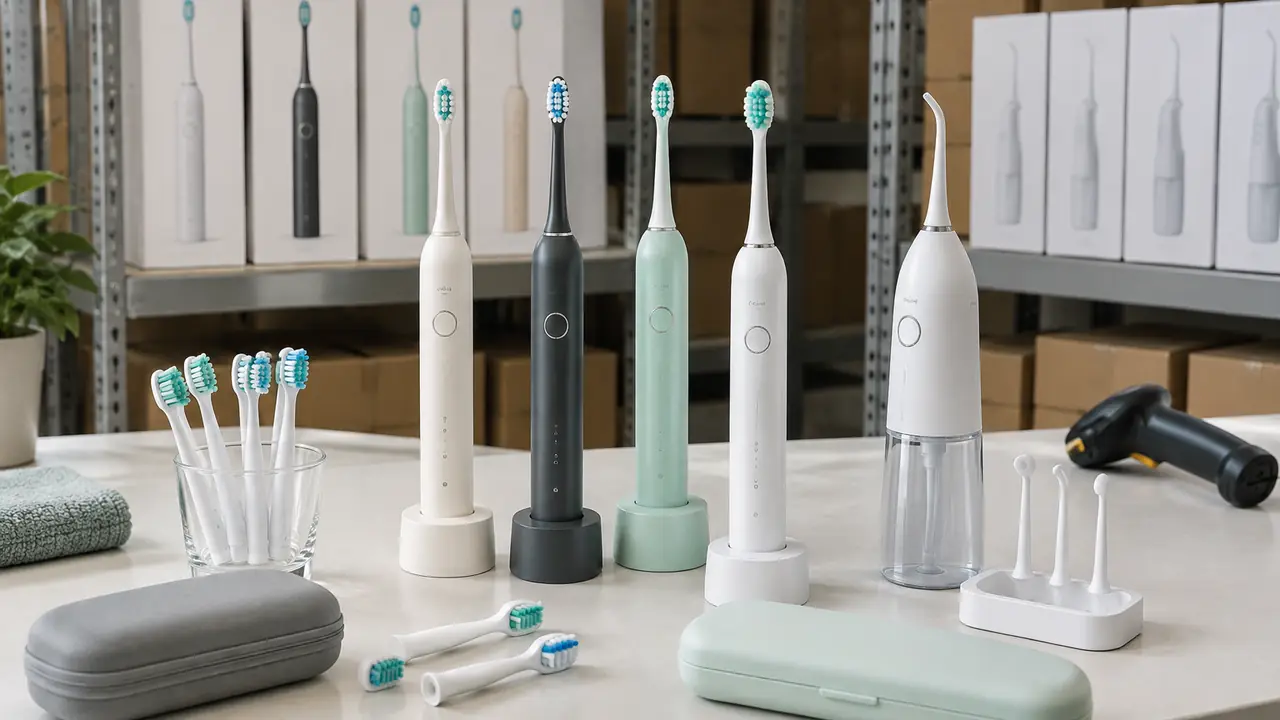
An electric toothbrush handle leaves the shelf once; its heads keep leaving it for as long as the user brushes. Bristle tips fatigue on a mechanical cycle regardless of how well the handle is made, which is why heads are replaced on a schedule rather than when they look worn - and that scheduled, small, repeated purchase is the most valuable line on the model. A handle sold at a competitive price earns its keep by starting a head relationship; the revenue that matters arrives in the quarters afterwards. This is why experienced importers treat the head SKU with the same seriousness as the handle itself, and why a subscription - a standing arrangement that ships refills at intervals - is less a marketing invention than a tidy way of collecting revenue the product already generates.
The same logic holds off-subscription. Retail chains merchandise multi-pack heads beside the handle shelf; marketplaces list refill packs as their own listings; hospitality programs order heads for guest kits. Whatever the channel, the arithmetic is constant: the handle starts the relationship and the heads extend it, so supply reliability on the consumable decides whether the revenue is collected or lost to a competitor's refill pack.
The platform lock-in that defines supply
One mechanical detail organises the whole model: the snap collar. Heads are built to the collar geometry of the plant's platform - the collar is tooled per platform, and a head from another plant will not seat, or will seat badly, on a handle it was not made for. Once a handle ships, its heads must keep flowing from the same source for the product's whole life. That lock-in has two consequences a buyer should act on early. First, head supply is a lifetime commitment that belongs in the first negotiation, not the third: availability, minimums and lead discipline for refills should be confirmed in writing before the first handle order, not discovered after the customer base exists. Second, in a private-mold program the collar can be cut to the buyer's own geometry, which turns compatibility into a brand asset - refills become recognisably yours, and the lock-in works for the brand rather than merely for the plant. The mechanics are set out in the brush head compatibility guide and in the companion note on how compatibility and tooling interact.
What the plant side must deliver
A subscription lives or dies on unglamorous production discipline: the refill that arrives in month nine must match the one that arrived with the handle. The items below are what the desk pins down with a partner plant before a head-led program launches.
| Item | Typical reference | Why it matters to a subscription |
|---|---|---|
| Head minimums | About 5,000-10,000 pieces per specification | Sets the scale of the first refill run and of each restock wave |
| Bristle specification | Soft nylon, spiral or charcoal; tufting density stated | The feel and wear of the consumable; must stay identical across batches |
| Tufting process | No-bristle-scatter workmanship, verified at inspection | Shed bristles are a frequent complaint on refills |
| Collar fit | Retention force measured on the platform; no rattle in use | A loose collar reads as a defective product, not a worn consumable |
| Refill lead time | Confirmed in writing per program | Subscriptions need schedule reliability more than single-batch speed |
| Refill packaging | Retail-grade boxes and insert cards | The refill meets the customer alone, without the handle box around it |
Head specifications, materials and tooling are covered in depth on the replacement brush heads line page and in the replacement heads guide; both are worth reading before the first head conversation with a plant.
Refill packaging: the consumable meets the customer alone
A handle kit is judged as a gift-boxed purchase; a refill pack is judged as a promise kept. The box must state compatibility plainly - which platforms or models the head fits - because compatibility confusion is the avoidable half of refill complaints. The insert card carries the replacement cadence, the fit statement and care notes, and it is among the most cost-effective customer-service documents a program will ever print. Packaging quality still matters at this tier: a refill that arrives crushed or rattling undermines the exact trust the subscription is built on, so retail-grade cartons and a print proof cycle belong in the plan rather than as an afterthought. The packaging team's capabilities are described on the packaging and retail boxes page, and channel-specific presentation questions - what a subscription box should feel like at the door - are outlined for DTC brands.
The economics, stated without numbers
No prices appear in this note, and none are needed to describe the structure. A handle competes in a crowded tier where every point of specification is matched by several competitors, so its margin carries the acquisition work. A head, by contrast, is a consumable with a locked compatibility: the user who chose the handle returns to the same supply, and each replacement cycle repeats the margin without repeating the acquisition cost. A subscription converts that repeating structure into predictability - cadence becomes forecast, forecast becomes a production wave, and a planned wave prices and schedules better than panic restocking. Logistics help the model too: head cartons carry none of the lithium paperwork that handle shipments do, so refills move by the routine freight routes and restock waves can be smaller and more frequent than handle orders. Reference minimums and schedules for both handles and heads are collected on MOQ and lead time, each confirmed in writing per program.
A checklist before launching head-led
- Confirm head availability, minimums and lead discipline for the product's whole life, in writing, before the first handle order.
- Fix who owns the collar geometry - the plant's platform, or the buyer's own tooling in a private-mold program.
- State the bristle specification, tufting density and the no-scatter workmanship item, and verify them at inspection.
- Agree the refill pack format, compatibility wording and insert card before print, not after.
- Plan restock waves against the subscription calendar, and file every agreed figure with the order documents.
A head-led brief - handle model, head specification, cadence and market - can be started through the quote form; the desk returns matched plants and a written schedule rather than a catalogue.