
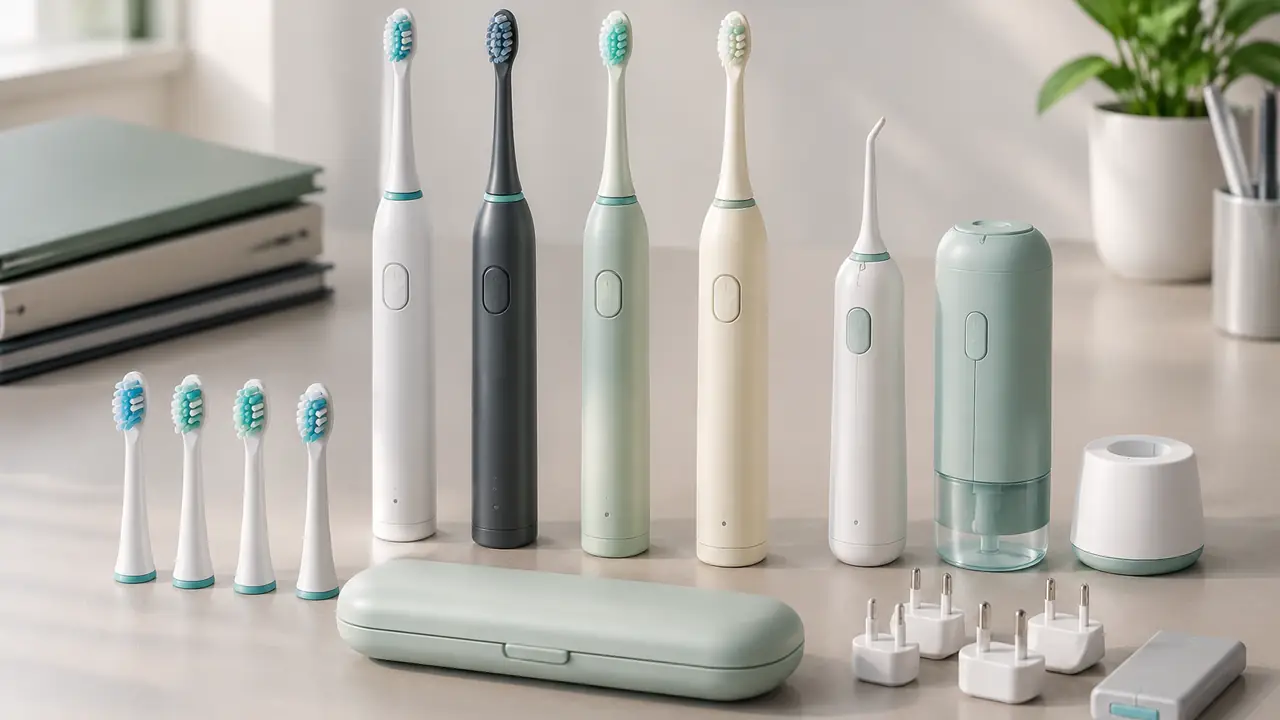
The layer buyers most often misread
Ask a room of importers how the FDA treats electric toothbrushes and the answers will scatter - some will assume a product approval process, some a medical device file, some nothing at all. The system is more specific than any of those guesses. Electric toothbrushes sold in the United States are overseen as electric products, and the regulatory layer attached to that status sits at the manufacturing facility: the establishment that produces them holds an FDA establishment registration. That single sentence resolves most of the confusion, and this note unpacks what it means in a sourcing program - what the registration covers, what it emphatically does not, and how the desk checks it alongside the rest of the North American file.
Why the confusion persists is worth a moment, because it shapes buyer behaviour. In categories such as drugs and many medical devices, the FDA reviews products and clears specific claims, so buyers arrive expecting an approval document with a model name on it. Toothbrushes are not in that world. There is no per-model clearance to wave at a retail reviewer, and a supplier who implies otherwise - a certificate photo, an approval-style logo, a phrase about clearance - is describing something the system does not issue. The honest US pack describes the plant's registration plainly and lets the product's other layers, UL 859 and the cell and radio papers, carry the rest.
What an establishment registration is
An establishment registration is a facility-level record: the manufacturing establishment registers with the FDA so that the agency knows who produces regulated products, where, and how to reach them. It attaches to the plant, not to a model, a brand or a shipment. It does not evaluate a design, test a sample or endorse a claim; those jobs belong to other layers entirely - UL 859 for appliance safety, UN 38.3 and IEC 62133-2 for the cell, FCC Part 15 for the radio. The registration is one strand of a plant's standing as a compliant producer, and for a toothbrush program it is a background condition: the shipment's product papers answer what the product is, while the registration answers who made it and under what oversight.
Two consequences follow for buyers. First, the registration belongs to the plant, so it is checked when the plant is checked - during audits and at program setup - rather than being re-issued per model. Second, its details must match the rest of the paper trail: the establishment named on the registration should be the establishment that actually makes the goods, with the same name and address that appear on order documents and shipping papers. A mismatch between the registered facility and the shipping plant is exactly the kind of quiet inconsistency that surfaces as a customs or retail question later.
What the registration is not - and the wording that follows
The line buyers must hold is simple: registration is not approval. It is a record that a facility exists and produces regulated products; it is not a judgment on any product, and the FDA does not certify, endorse or recommend toothbrushes. The wording discipline that follows belongs in every listing, box and sell sheet a brand ships to the US market. A toothbrush must not be described as approved by the FDA, and approval-adjacent phrases - cleared, certified, endorsed - do not belong in oral-care copy either. What may be said is the factual layer: the product is an electric product, and the manufacturing establishment holds an FDA establishment registration.
The same discipline reaches claims language generally, because US oral-care copy is read closely by retailers and marketplaces alike. Mechanical statements - helps remove surface stains, paces the session, sealed to IPX7 - are the defensible vocabulary; treatment promises, germ claims and dental-authority phrasing are not. A brand that keeps its claims mechanical and its registration wording factual has nothing to unwind when a compliance reviewer asks questions. The desk rewrites supplier copy that drifts past those lines before it reaches artwork, and the claim boundaries are part of the review noted on the compliance and certifications page.
What a buyer verifies
| Check | What the desk looks at | Why it matters |
|---|---|---|
| The registered establishment | Name and address of the facility on the registration | Must match the plant that will actually produce the order |
| Scope of activity | The establishment's role - manufacturing for oral-care products | A plant new to the category is audited before it is trusted with it |
| Currency | The registration is current as of the program | Standing is confirmed per project, not assumed from an old file |
| Consistency | Registration details against order and shipping documents | Mismatched names are a classic customs and retail friction point |
| Wording on artwork | Box, insert and listing language about the FDA | Registration may be stated factually; approval may never be claimed |
The routine is short because the layer is small, but it is never skipped, because the failure mode is embarrassing rather than technical: goods produced at a facility whose papers tell a different story. Sonicelle holds no certificates; partner plant documents are verified per project, and the plant's standing as a whole - quality systems, social compliance, production discipline - is covered in the audit stage described on the factory audit page.
How the registration sits with the rest of the US pack
A complete North American program reads as a stack, and the registration is one quiet layer in it. The appliance safety file runs on UL 859, evaluated by UL or ETL, with a reference window of about 4-8 weeks in the desk's programs. The lithium cell carries UN 38.3 for transport and IEC 62133-2 for safety, attached to the cell model. A Bluetooth model adds FCC Part 15 for the radio. The registration layer attaches to the plant. None of these substitute for another, and a vendor pack that names all of them - each document matched to what it actually attests to - is the pack that passes retail review without a second round of questions. The full layering is mapped in the certifications checklist and the certifications guide, and the arrival process itself - freight, entry and broker checks - is walked through in importing toothbrushes into the US.
Plants, changes and multi-site programs
Programs evolve, and the registration layer evolves with them. A second plant added for capacity is a second establishment with its own registration, checked the same way as the first; a plant that moves or reorganises updates its details, and the desk re-checks consistency at the next order; a trading arrangement that changes which entity ships the goods is a document question before it is a logistics one. None of these are alarms - they are the ordinary maintenance of a compliant program. The desk's rule is that plant-level facts are re-verified whenever plant-level facts change, and every confirmed detail is written back into the program record so that the next order inherits accuracy rather than memory. Reference quantities, sample schedules and batch timing for the surrounding program live on MOQ and lead time, and a US-market brief starts at the quote form.