
The two roles a guest-room brush can play
The first role is the amenity: a sealed, single-stay brush handed to a guest who arrived without one. The unit is simple, the unit cost is low, and the entire value sits in availability, hygiene presentation and the brand mark on the wrapper. The second role is the keepable brush: a travel-format or battery-powered model placed in the room, sold at the desk or given to suite and long-stay guests, where the object itself carries the property's standards. The two roles are different products with different specifications, different packaging and different buying cycles, and a program that starts by separating them makes every later decision easier.
Which role leads depends on the property. Limited-service properties live on the amenity; resorts and serviced apartments find the keepable format earns its shelf spot in bathrooms and shops; brand-standard programs frequently run both - amenity at the desk, keepable retail in the room or the boutique - under one coherent design language. The desk coordinates both from the same partner plants, which matters because the compliance and packaging work overlaps even when the products differ.
Hygiene first: the amenity format
Everything about the amenity product is packaging. The brush itself is usually a simple manual or a light battery handle - the 7,000-12,000 strokes-per-minute class - because it must be instantly understandable with no instruction, and it ships sealed per unit: a wrapper or pouch that shows the brush untouched until the guest opens it. Sealed single-use presentation is the hygiene signal guests read in seconds, and it is the first line of the specification, ahead of bristle colour or handle shape. Quantities run in volume bands, replenishment follows occupancy rather than retail seasons, and the whole line is designed for storage in housekeeping cupboards - flat cartons, long shelf life, no electronics to age. The full treatment of both amenity types is in the hotel amenity guide.
Keepable models: which lines fit a room
| Line | Why it suits a guest room | Specification notes |
|---|---|---|
| Travel electric | Split handle and case pack neatly into room storage; premium feel | 500-1,000 mAh cells, 20-60 days at low-frequency use, USB charge |
| AAA battery handle | No charger to lose; guests understand it instantly | 2xAAA, 7,000-12,000 strokes/min, single or dual mode, IPX7 |
| Amenity kit brush | The front-desk role; sealed single-stay unit | Simple drive or manual, sealed pouch, brand wrapper |
| Gift-box set | Sold in the boutique or given for suites and loyalty tiers | Two handles or handle plus case, branded gift box |
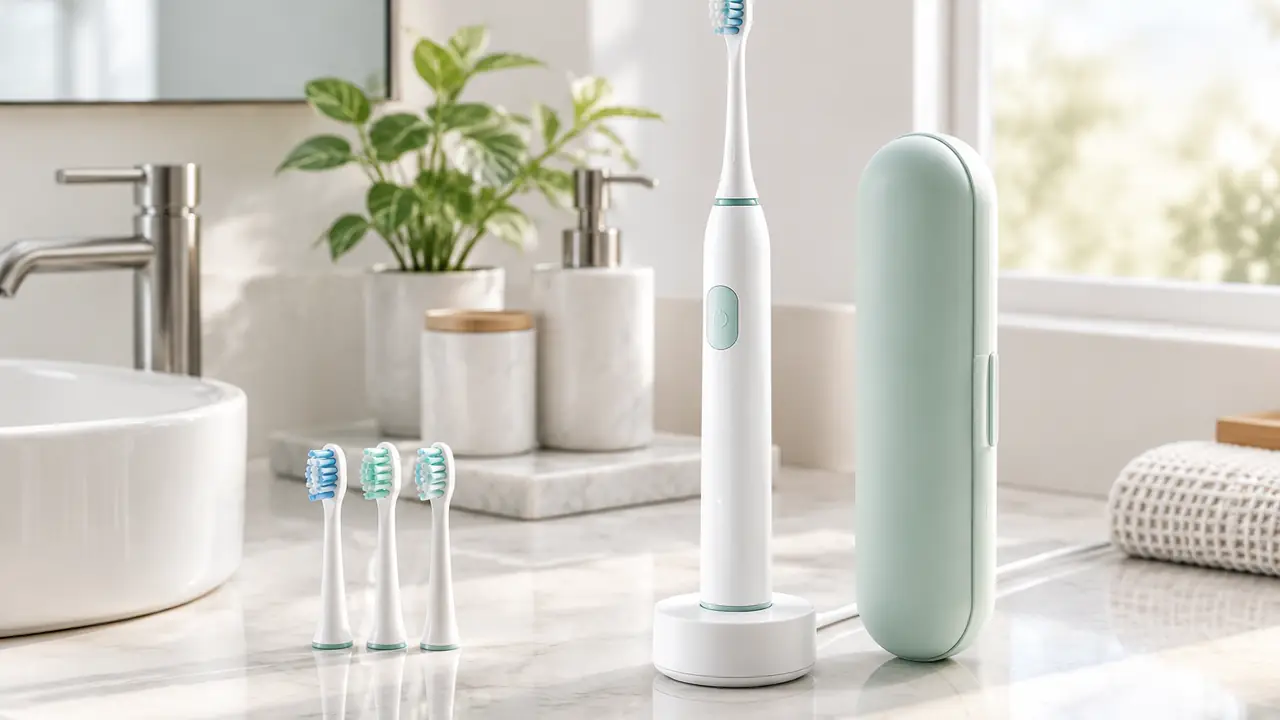
The travel format is the natural keepable anchor: its split handle and vented case were designed for bags, which double as room drawers, and its long runtime means a guest can use it for a whole stay and take it home without ever seeing a charger. Battery handles take the value slot. IPX7 sealing is the industry norm across the electric formats and matters here as anywhere, since guest-room bathrooms are hard on electronics.
Branding: private label at amenity scale
Branding is where hospitality programs differ most from retail ones. The property's mark - or the brand-standard mark of the chain - appears on the wrapper, the pouch, the case and the gift box, in restrained monochrome more often than not, because the object sits in a designed environment rather than on a shelf fighting for attention. The mechanics are the standard private label workflow: artwork applied to catalog-mold products at the packaging level, with decoration options on handles and cases where the brand-standard calls for it. What changes at amenity scale is the print run structure - high unit counts, few designs, long reorder cycles - which plants price and schedule differently from retail programs. Gift-box customization is its own craft: two or four handles, foam or molded inserts, a box that photographs well because these sets double as corporate gifts and loyalty rewards. The packaging capability page covers the box and insert options, and artwork claims stay inside the same honest mechanical wording as every other program in the category.
Program structure: quantities, replenishment, logistics
Programs are bought on cycles, not seasons. Amenity volumes follow occupancy forecasts with standing reorder points; keepable formats follow room counts and boutique sell-through, reordered two to four times a year in most programs. Reference quantity bands follow the standard catalog ranges - from 500-1,000 pieces per model for the electric keepable formats, with private-label decoration and gift-box work typically from 1,000-3,000 pieces plus tooling - all confirmed in writing per program. Lead times matter less than predictability: properties plan housekeeping and boutique stock months ahead, so the desk commits schedules in writing and batches shipments to storage calendars rather than dropping containers on a loading dock. Sea freight carries the volume; air freight handles top-ups, with lithium-cell formats moving under the UN 38.3 framework as everywhere.
Quality and storage questions round out the program. Lots are inspected before shipment as everywhere, with the amenity line checked mainly for seal integrity and print registration - a guest reads a crooked wrapper instantly - and the keepable formats checked to the same electrical and IPX7 routines as retail stock. Storage behaviour belongs in the specification too: amenity cartons sit in housekeeping stores for months, so carton size, stacking strength and shelf-life markings are agreed with the plant alongside the artwork. None of this is complicated, but it is the difference between an amenity program that still looks right at the desk in month twelve and one that does not.
Where the desk fits
A hospitality program is a coordination job across several product types, one design language and one compliance file, which is precisely the work the desk is built for: shortlisting plants for the amenity and keepable lines, verifying documents per project - IEC/EN 60335-2-52 or UL 859 for the electric formats, plus the lithium paperwork where cells are fitted - inspecting lots before shipment and consolidating the packaging artwork so the amenity wrapper, the travel case and the gift box read as one brand. Buyers can start with the property profile and the two role choices through the quote form; reference schedules sit on the MOQ and lead time page; and the amenity guide remains the companion note for the packaging-side decisions.